

**Mike Tyson: The Rise, Reign, and Legacy of “Iron Mike”**
In the annals of boxing history, few names inspire as much awe, fear, and fascination as Mike Tyson. With his explosive power, ferocious style, and turbulent life inside and outside the ring, Tyson became not just a heavyweight champion but a global phenomenon. His rise from a troubled Brooklyn youth to the youngest heavyweight champion ever is the stuff of legend—a story of raw talent, discipline, excess, and redemption.
**The Meteoric Rise**
Michael Gerard Tyson was born on June 30, 1966, in Brownsville, Brooklyn—a neighborhood infamous for poverty and violence. Tyson’s early life was marred by hardship, crime, and the absence of his father. By age 13, he’d been arrested dozens of times. Salvation came when he was sent to the Tryon School for Boys, where his potential was spotted by counselor and former boxer Bobby Stewart, who introduced him to legendary trainer Cus D’Amato.
D’Amato became Tyson’s mentor and legal guardian, shaping the young fighter’s skills and psyche. Under Cus’s meticulous tutelage, Tyson learned the “peek-a-boo” defensive style—high guard, constant head movement, and lightning-fast counters. Tyson’s early amateur career was impressive, but it was in the professional ranks where he truly detonated onto the scene.
**Career Highlights: The Youngest Heavyweight Champion**
Tyson turned professional in March 1985 at age 18, embarking on one of the most aggressive campaign starts in boxing history. He won his first 19 fights by knockout, many in the first round, quickly earning a reputation as a fearsome puncher with cat-like reflexes and relentless aggression.
The defining moment came on November 22, 1986. At just 20 years and 4 months old, Tyson demolished Trevor Berbick to win the WBC heavyweight title, becoming the youngest heavyweight champion in history—a record that still stands. Tyson’s reign continued as he unified the titles, defeating James “Bonecrusher” Smith (WBA), Pinklon Thomas, Tony Tucker (IBF), and the lineal champion Michael Spinks, whom he knocked out in just 91 seconds.
At his peak, Tyson was an unstoppable force. His record stood at 37-0, with 33 knockouts. He was named “The Baddest Man on the Planet,” a moniker that fit perfectly with his intimidating presence and vicious style.
**Fighting Style: Speed, Power, and the Peek-a-Boo**
What set Tyson apart from other heavyweights was his unique combination of speed, power, and defensive acumen. Most heavyweights relied on size and reach,
In the annals of boxing history, few names inspire as much awe, fear, and fascination as Mike Tyson. With his explosive power, ferocious style, and turbulent life inside and outside the ring, Tyson became not just a heavyweight champion but a global phenomenon. His rise from a troubled Brooklyn youth to the youngest heavyweight champion ever is the stuff of legend—a story of raw talent, discipline, excess, and redemption.
**The Meteoric Rise**
Michael Gerard Tyson was born on June 30, 1966, in Brownsville, Brooklyn—a neighborhood infamous for poverty and violence. Tyson’s early life was marred by hardship, crime, and the absence of his father. By age 13, he’d been arrested dozens of times. Salvation came when he was sent to the Tryon School for Boys, where his potential was spotted by counselor and former boxer Bobby Stewart, who introduced him to legendary trainer Cus D’Amato.
D’Amato became Tyson’s mentor and legal guardian, shaping the young fighter’s skills and psyche. Under Cus’s meticulous tutelage, Tyson learned the “peek-a-boo” defensive style—high guard, constant head movement, and lightning-fast counters. Tyson’s early amateur career was impressive, but it was in the professional ranks where he truly detonated onto the scene.
**Career Highlights: The Youngest Heavyweight Champion**
Tyson turned professional in March 1985 at age 18, embarking on one of the most aggressive campaign starts in boxing history. He won his first 19 fights by knockout, many in the first round, quickly earning a reputation as a fearsome puncher with cat-like reflexes and relentless aggression.
The defining moment came on November 22, 1986. At just 20 years and 4 months old, Tyson demolished Trevor Berbick to win the WBC heavyweight title, becoming the youngest heavyweight champion in history—a record that still stands. Tyson’s reign continued as he unified the titles, defeating James “Bonecrusher” Smith (WBA), Pinklon Thomas, Tony Tucker (IBF), and the lineal champion Michael Spinks, whom he knocked out in just 91 seconds.
At his peak, Tyson was an unstoppable force. His record stood at 37-0, with 33 knockouts. He was named “The Baddest Man on the Planet,” a moniker that fit perfectly with his intimidating presence and vicious style.
**Fighting Style: Speed, Power, and the Peek-a-Boo**
What set Tyson apart from other heavyweights was his unique combination of speed, power, and defensive acumen. Most heavyweights relied on size and reach,
Recommended Gear
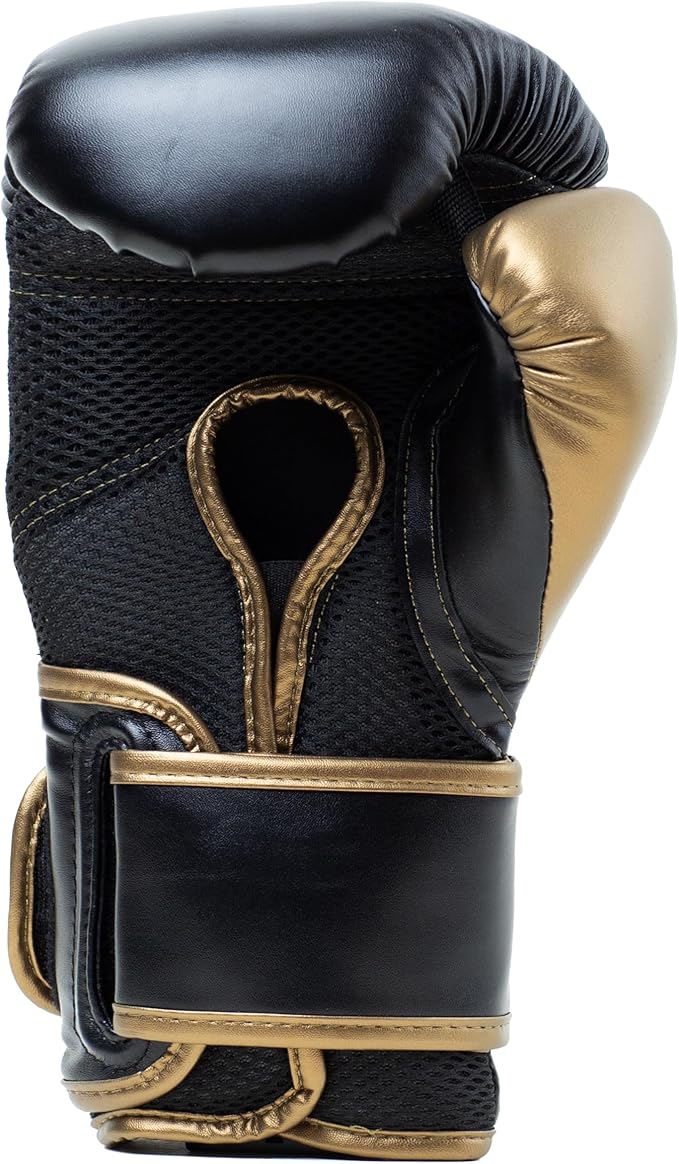
Editor's Choice
4.8
Best Beginner Boxing Gloves 2026
Get the perfect gloves for your boxing journey. Expert-tested RDX, Everlast & Rival options.
See Our Top Pick💡 As an Amazon Associate, we earn from qualifying purchases. This helps support our free content.
but Tyson, at 5’10”, was shorter than most of his opponents. He compensated with explosive footwork, head movement, and the peek-a-boo style taught by D’Amato.
Tyson’s fights often began with a furious assault. He would slip punches, bob and weave into range, then unleash devastating combinations—especially his trademark right uppercut and left hook. His ability to close the distance and deliver knockout blows from unexpected angles terrified opponents.
**Famous Fights: Triumphs and Downfalls**
Tyson’s career is studded with memorable bouts. The 1988 demolition of Michael Spinks is still regarded as one of the most dominant performances in heavyweight history. Tyson’s chilling entrance and 91-second KO solidified his mythic status.
But Tyson’s story is also one of dramatic falls. In February 1990, in Tokyo, James “Buster” Douglas shocked the world by knocking Tyson out in the 10th round. Tyson was a 42-1 favorite and the defeat was one of the biggest upsets in sports history.
After serving a prison sentence from 1992 to 1995, Tyson returned to the ring, regaining WBC and WBA titles and scoring quick knockouts over Frank Bruno and Bruce Seldon. However, his aura had faded. Tyson famously lost twice to Evander Holyfield, with the 1997 rematch ending in disqualification when Tyson bit Holyfield’s ear—a moment as infamous as any in boxing.
His later career was marked by erratic performances and losses to Lennox Lewis and others. Tyson retired in 2005 with a record of 50 wins (44 by KO), 6 losses, and 2 no contests.
**Legacy: The Enduring Legend**
Mike Tyson’s impact on boxing and popular culture is immeasurable. He revived the heavyweight division, drawing massive pay-per-view audiences. His intimidating persona, rapid-fire knockouts, and controversial life outside the ring made him a household name worldwide.
Beyond his physical prowess, Tyson’s story is one of complexity. He has spoken openly about his struggles with mental health, addiction, and the pressures of fame. In recent years, Tyson has reinvented himself as a podcaster and entertainer, displaying a reflective, self-aware side that few would have predicted during his fighting days.
Today, Tyson is celebrated as one of the most exciting heavyweights ever. His peak years are remembered for their sheer violence and brilliance—moments when “Iron Mike” seemed unbeatable. For all his flaws and failures, Tyson’s journey from the streets of Brooklyn to the pinnacle of boxing remains an enduring testament to talent, resilience, and the human spirit.
Tyson’s fights often began with a furious assault. He would slip punches, bob and weave into range, then unleash devastating combinations—especially his trademark right uppercut and left hook. His ability to close the distance and deliver knockout blows from unexpected angles terrified opponents.
**Famous Fights: Triumphs and Downfalls**
Tyson’s career is studded with memorable bouts. The 1988 demolition of Michael Spinks is still regarded as one of the most dominant performances in heavyweight history. Tyson’s chilling entrance and 91-second KO solidified his mythic status.
But Tyson’s story is also one of dramatic falls. In February 1990, in Tokyo, James “Buster” Douglas shocked the world by knocking Tyson out in the 10th round. Tyson was a 42-1 favorite and the defeat was one of the biggest upsets in sports history.
After serving a prison sentence from 1992 to 1995, Tyson returned to the ring, regaining WBC and WBA titles and scoring quick knockouts over Frank Bruno and Bruce Seldon. However, his aura had faded. Tyson famously lost twice to Evander Holyfield, with the 1997 rematch ending in disqualification when Tyson bit Holyfield’s ear—a moment as infamous as any in boxing.
His later career was marked by erratic performances and losses to Lennox Lewis and others. Tyson retired in 2005 with a record of 50 wins (44 by KO), 6 losses, and 2 no contests.
**Legacy: The Enduring Legend**
Mike Tyson’s impact on boxing and popular culture is immeasurable. He revived the heavyweight division, drawing massive pay-per-view audiences. His intimidating persona, rapid-fire knockouts, and controversial life outside the ring made him a household name worldwide.
Beyond his physical prowess, Tyson’s story is one of complexity. He has spoken openly about his struggles with mental health, addiction, and the pressures of fame. In recent years, Tyson has reinvented himself as a podcaster and entertainer, displaying a reflective, self-aware side that few would have predicted during his fighting days.
Today, Tyson is celebrated as one of the most exciting heavyweights ever. His peak years are remembered for their sheer violence and brilliance—moments when “Iron Mike” seemed unbeatable. For all his flaws and failures, Tyson’s journey from the streets of Brooklyn to the pinnacle of boxing remains an enduring testament to talent, resilience, and the human spirit.